Payment Integration Strategies for Accumulators Tied to Live Football, Horse Racing, and Casino Events
Riley Powell · Aug 15, 2026
Payment Integration Strategies for Accumulators Tied to Live Football, Horse Racing, and Casino Events
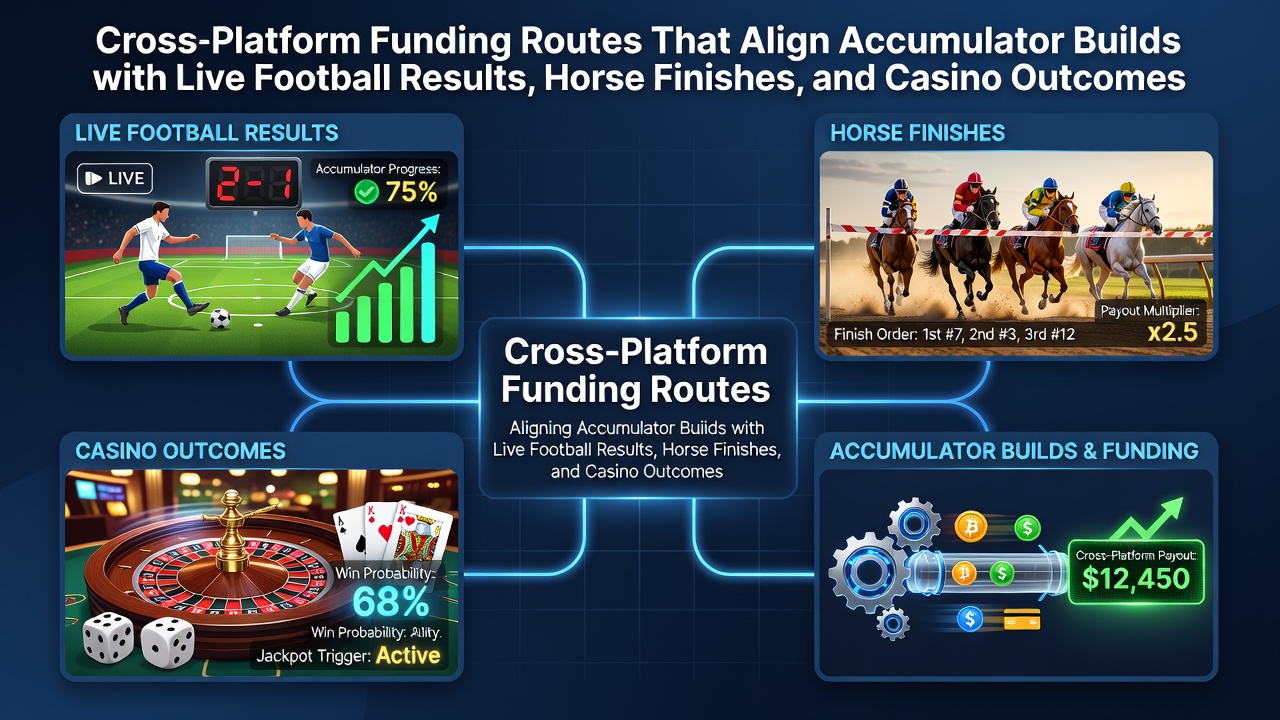
Payment systems now connect directly with live data feeds from football matches, horse races, and casino tables, which allows bettors to adjust accumulator selections while events unfold in real time. These routes combine instant deposit methods with application programming interfaces that update odds across platforms, so selections remain aligned with current scores, finishes, and game outcomes. Data from market analyses show increased adoption of such integrated tools during the 2025-2026 season, particularly as operators expand multi-event betting options.
Core Components of Cross-Platform Funding
Funding mechanisms rely on digital wallets and bank transfers that process deposits in seconds, which then feed into unified betting accounts covering multiple verticals. Operators link these accounts to live result APIs, so an accumulator spanning a football goal, a horse placing in the final furlong, and a casino over-under total updates without separate logins or delays. Industry reports highlight that transaction speeds under ten seconds correlate with higher completion rates for multi-leg bets during peak live periods.
Security protocols verify each transfer while maintaining compliance with regional standards, and this setup reduces interruptions when users shift focus from one event type to another. Observers note that seamless verification steps prevent mismatches between funded balances and live selections, especially when odds shift rapidly in the closing stages of races or matches.
Alignment with Football, Racing, and Casino Data Streams
Live football results feed into accumulator builders through timestamped goal and card notifications, which funding routes capture to lock in or modify legs before the next market movement. Horse finish data arrives via photo-finish integrations that trigger automatic updates, allowing funded positions to reflect final placings without manual intervention. Casino outcomes, including roulette spins and blackjack hands, connect similarly through dealer-stream APIs that register wins and losses in the same account ledger.
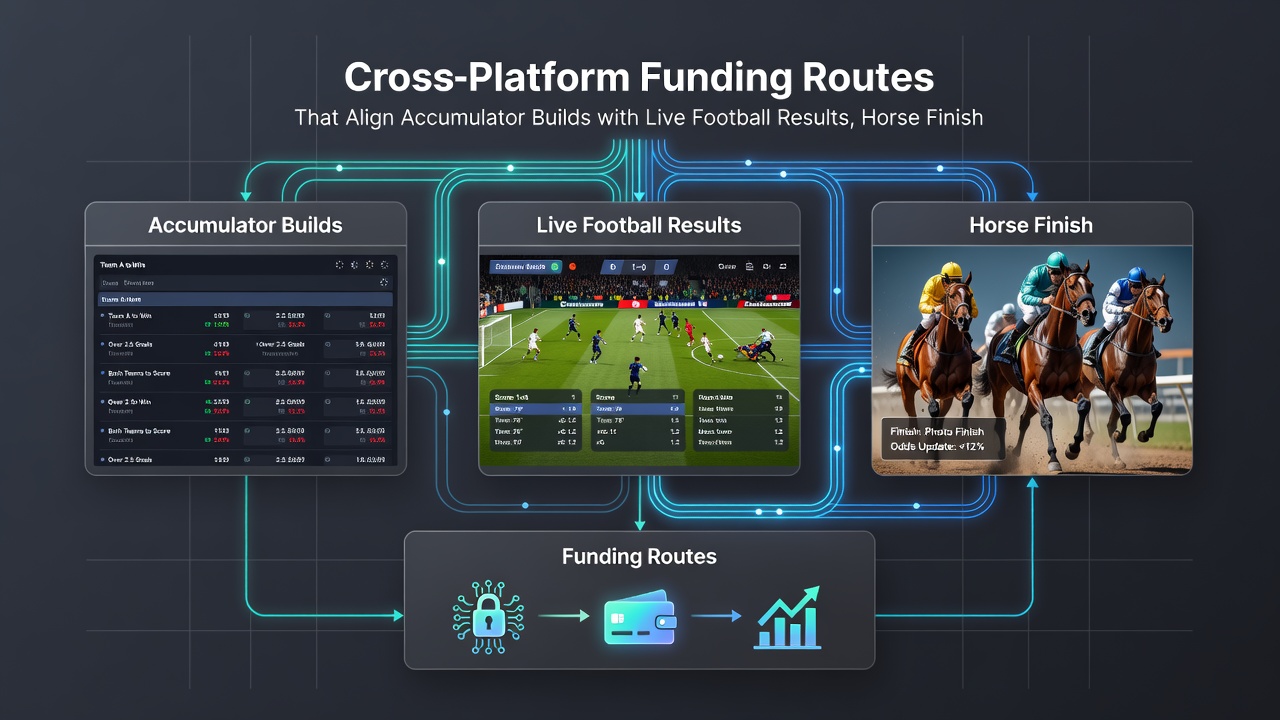
One study released in mid-2026 examined transaction patterns and found that users who maintained active funding links across platforms completed 28 percent more accumulator builds during August events compared with those relying on slower transfer methods. These patterns appeared across European and North American operators, where regulatory frameworks from bodies such as the European Gaming and Betting Association emphasize real-time reporting standards that support such integrations.
Technical Requirements and Operator Practices
Operators implement token-based authentication that ties each deposit to a specific session, which then grants access to live result dashboards without repeated credential checks. This architecture supports simultaneous tracking of three or more event categories, while backend reconciliation ensures winnings from one leg credit instantly toward the next selection. Research from the Australian Institute of Criminology on digital payment flows in wagering environments indicates that such token systems lower error rates in multi-platform setups by approximately 15 percent year over year.
August 2026 saw several operators roll out enhanced API endpoints that pull horse finish times, football minute-by-minute updates, and casino draw results into a single accumulator interface. These updates coincided with broader industry shifts toward unified ledgers, where funded balances remain visible regardless of the originating payment channel.
Conclusion
Cross-platform funding routes continue to evolve in tandem with live data infrastructure, which enables accumulator constructions that stay current with football results, horse finishes, and casino outcomes. Market evidence points to sustained growth in these integrated systems as operators refine transaction speeds and API connections through 2026 and beyond.